



The journey through personal finance is often paved with lessons from the past, tales of both caution and inspiration. Remember when financial advice came from the glossy pages of a magazine or a chance encounter with an eager insurance agent? Today, the landscape has transformed dramatically. Let’s explore how these changes unfolded and what they mean for your financial journey.
Lessons from the Past: My Father’s Tale
Early Encounters with Personal Finance
My father embarked on his career as an engineer during a time when the internet was a distant dream. Information about personal finance was not at one’s fingertips. He was earning well, but financial literacy was not as widespread as it is today. One day, an insurance agent crossed his path. This meeting was not planned, but it marked the beginning of his journey into the world of investments.
At the age of 50, he signed a life insurance contract. It was a decision made to secure some savings for the future. This was his first brush with personal finance and investing. He realized that the stock market wasn’t just for the elite. Ordinary people could also partake in wealth creation.
The Leap into Mutual Funds
His newfound knowledge came at a cost. He attended a pricey seminar led by a so-called money guru. The seminar promised riches through mutual funds, financial products that are still popular today. Mutual funds offer a way to invest in the stock market with diversification, but they often come with high fees and uncertain returns.
Encouraged by the seminar, he made a bold move. He borrowed money against his parents’ house to invest in these mutual funds. It was a risky decision, driven by the hope of financial growth.
The Dot-Com Bubble Burst
Unfortunately, timing was not on his side. Shortly after his investment, the dot-com bubble burst. The value of his funds plummeted. “His funds lost in value, and he decided to sell his parts.” This decision was not easy. The family needed money, and his lack of experience in investing became apparent.
By selling his investments, he realized significant losses. These losses were compounded by the fact that the investments were financed with borrowed money. Financially, it was a disaster.
Lessons Learned from Financial Missteps
This experience taught him several valuable lessons:
- Importance of Financial Education: Understanding the basics of investing and finance is crucial. Without this knowledge, one can easily fall prey to bad advice.
- Risks of Borrowing to Invest: Using borrowed money to invest can amplify losses. It’s a double-edged sword that requires careful consideration.
- Market Timing: The stock market is unpredictable. Timing can make or break an investment, and it’s often out of one’s control.
- Emotional Decision-Making: Selling investments in a panic can lead to realized losses. It’s essential to stay calm and make informed decisions.
These lessons, though learned the hard way, became a cornerstone of his financial philosophy. They served as a reminder of the importance of caution and education in the world of investing.
Reflections on a Financial Journey
My father’s tale is not just about financial loss. It’s a story of learning and growth. It’s a reminder that financial literacy is a journey, not a destination. Mistakes are part of the process, but they can lead to valuable insights.
In today’s world, where information is abundant, it’s easier to educate oneself about personal finance. Yet, the core lessons remain the same. Understanding the risks, being cautious with borrowed money, and maintaining a level head during market fluctuations are timeless principles.
His story serves as a cautionary tale for those venturing into the world of investments. It’s a testament to the power of learning from past mistakes and using those lessons to build a more secure financial future.
A New Era of Financial Independence
The Rise of DIY Money Managers
In the past, managing personal finances often required hiring professionals or attending costly seminars. But times have changed. DIY money managers are now on the rise, empowered by the wealth of information available online. This shift marks a significant change from previous generations who relied heavily on financial advisors.
Why is this happening? The answer is simple: accessibility. With the internet, anyone can learn about investing, budgeting, and saving. They can become their own financial advisor. This democratization of financial knowledge has opened doors for many who previously felt shut out of the financial world.
Consider this: “Financially, it was a disaster, but how could he have known or done it better?” This quote reflects the challenges faced by those who lacked access to financial education in the past. Today, however, individuals can avoid such pitfalls by educating themselves and taking control of their financial futures.
Availability of Online Financial Education
YouTube, launched in 2016, has played a pivotal role in this educational revolution. It’s the second-largest search engine, and its impact on financial education is undeniable. From tutorials on stock market basics to advanced investment strategies, YouTube offers a plethora of resources for free. Gone are the days when one had to attend expensive seminars to learn about finance.
But YouTube isn’t the only player in the game. Platforms like Reddit, Discord, and various blogs and podcasts have also contributed to this surge in financial literacy. They provide a space for individuals to share experiences, discuss strategies, and learn from one another. It’s a community-driven approach that replaces the traditional guru-led seminars.
Imagine sitting in your living room, sipping coffee, and learning about ETFs from a finance podcast. It’s as easy as switching from your favorite Spotify playlist to a finance talk show. Knowledge is now at your fingertips, and it’s never been easier to dive into any topic of interest.
Community Support in Personal Finance
The rise of online communities has further bolstered the movement towards financial independence. During the Covid pandemic, when stock markets imploded, many turned to these communities for support and guidance. Instead of panicking, young investors seized the opportunity to buy stocks at lower prices. They learned from each other, shared insights, and celebrated their stock market debuts together.
This sense of community is invaluable. It provides a support system for individuals navigating the often complex world of finance. Whether it’s through forums, social media groups, or live streaming events, people are connecting and learning from one another like never before.
Take, for example, a community that started regular streaming sessions during the pandemic. They engaged closely with their members, offering advice and sharing personal finance strategies. This collaborative approach has empowered many to take control of their financial destinies.
Shift from Costly Seminars to Free Resources
The shift from costly seminars to free online resources is a game-changer. In the past, financial education was often reserved for those who could afford it. Today, however, anyone with an internet connection can access a wealth of information for free.
This shift has leveled the playing field, allowing individuals from all walks of life to gain the knowledge they need to make informed financial decisions. It’s a significant departure from the days when financial education was a luxury.
Emergence of ETFs and Low-Cost Brokerage
The emergence of ETFs (Exchange-Traded Funds) and low-cost brokerage options has further fueled the trend towards financial independence. ETFs, initially conceptualized for professional asset managers, have become a favorite among private investors due to their low costs and high liquidity.
Moreover, brokerage costs have plummeted to nearly zero, making it easier than ever for individuals to start investing with a small budget. Imagine starting your investment journey with just 50 to 100 euros per month. It’s a far cry from the days when high commissions were a barrier to entry.
This accessibility has empowered a new generation of investors to take control of their financial futures. They no longer need to rely on expensive financial products or services. Instead, they can leverage low-cost options to build their wealth over time.
In conclusion, the rise of DIY money managers, the availability of online financial education, and the support of community-driven platforms have ushered in a new era of financial independence. With the right resources and a supportive community, anyone can take control of their financial destiny.
Empowering Your Financial Journey
In today’s fast-paced world, managing personal finances can feel like navigating a maze. But why is it so crucial to get it right? Personal financial education is the cornerstone of a stable and prosperous life. Without it, individuals risk making poor financial decisions that can have long-lasting effects.
The Importance of Personal Financial Education
Why is personal financial education so important? It’s simple. Understanding how to manage money effectively can mean the difference between financial freedom and financial ruin. With the cost of financial products at a record low, as one expert noted, there’s never been a better time to learn how to make your money work for you.
Consider this: 80% of retail traders lose money. That’s a staggering statistic. It highlights the need for solid financial education. Without it, individuals are more likely to fall into the same traps and make the same mistakes as others before them.
Learning from Past Finance Mistakes
Everyone makes mistakes. It’s a part of life. But when it comes to finances, learning from those mistakes is crucial. As the saying goes, “You risk losing more.” This is especially true in finance. But don’t get me wrong, revolutions in finance can benefit many, especially in emerging nations. However, in places like Europe, one must be cautious. Often, the innovation lies not in the product itself but in the marketing strategy that convinces you to buy it.
Don’t be afraid of making mistakes. If there’s one guarantee, it’s that you won’t get it right the first time. This is true for sports, for babies learning to walk, and for your finances. The key is to apply what you’ve learned from those experiences. Start small if you’re hesitant. If investing €5,000 in the stock market seems daunting, reduce the budget. Try a few hundred or opt for a monthly savings plan to see what happens.
Strategies to Avoid Investment Pitfalls
Investing can be a minefield. But with the right strategies, you can avoid common pitfalls. First, consider diversification. By spreading investments across various assets, you reduce risk. It’s like not putting all your eggs in one basket. Secondly, focus on low costs. High fees can eat into returns, so it’s essential to keep them in check.
High-frequency trading is another area to be wary of. While it promises quick profits, the risks are significant. Many retail traders get caught up in the allure of fast money, only to lose out in the end. Remember, slow and steady often wins the race.
Free Resources for Financial Learning
Fortunately, there are numerous free resources available for those eager to learn. From online courses to community workshops, the opportunities are endless. Today’s landscape is shaped by vast resources, abundant knowledge, and supportive communities. Take advantage of them. The more you know, the better equipped you’ll be to make informed decisions.
Another thing to consider is the significance of applied knowledge. It’s not enough to simply learn; you must apply what you’ve learned. This is where many people falter. They accumulate knowledge but fail to put it into practice. Don’t let that be you. Start applying what you’ve learned as soon as possible.
Conclusion
Taking control of your personal finances might be one of the most impactful decisions you could possibly make. It comes with risks, like many things in life. But with the right education, strategies, and resources, you can navigate the financial landscape with confidence. Remember, the journey to financial empowerment is a marathon, not a sprint. Start small, learn from your mistakes, and keep pushing forward. The rewards will be worth it.
TL;DR: Personal finance has evolved, enabling individuals to take charge through readily available knowledge and resources, avoiding past pitfalls.
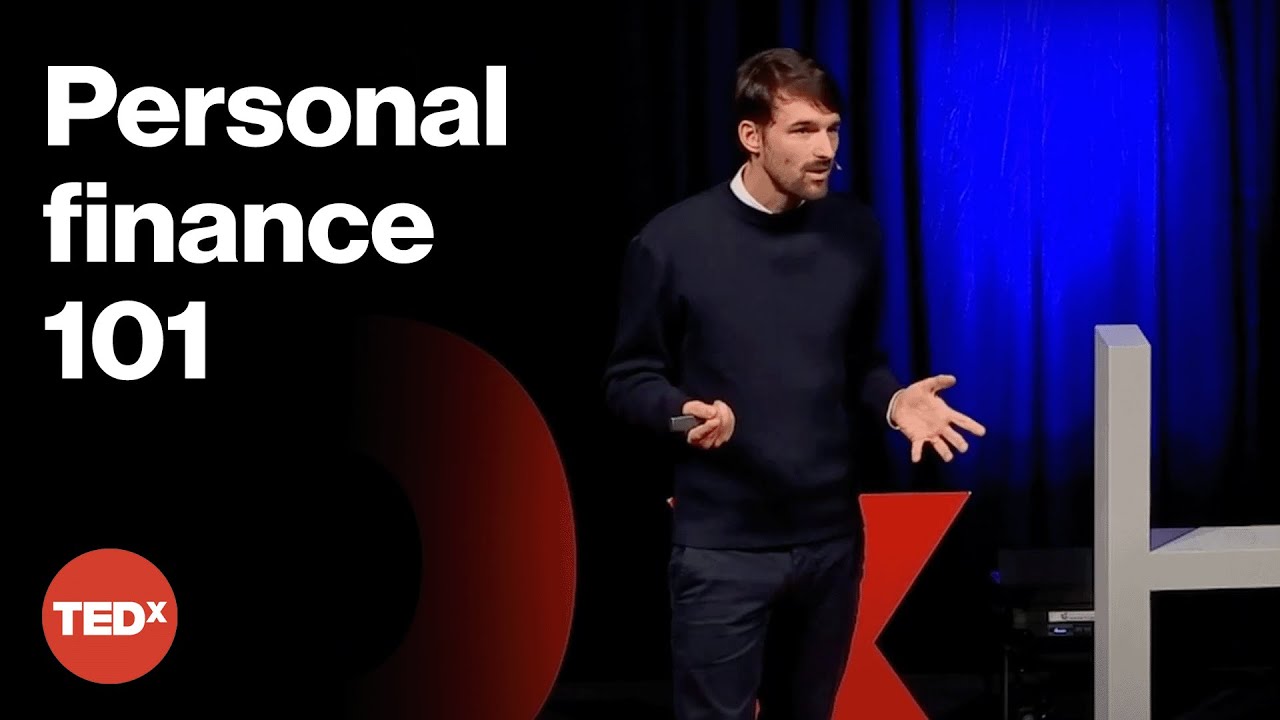
Hats off to https://www.youtube.com/@TEDx for their thought-provoking content. Be sure to check it out here: https://youtu.be/FXjHwQ6J_yI.