



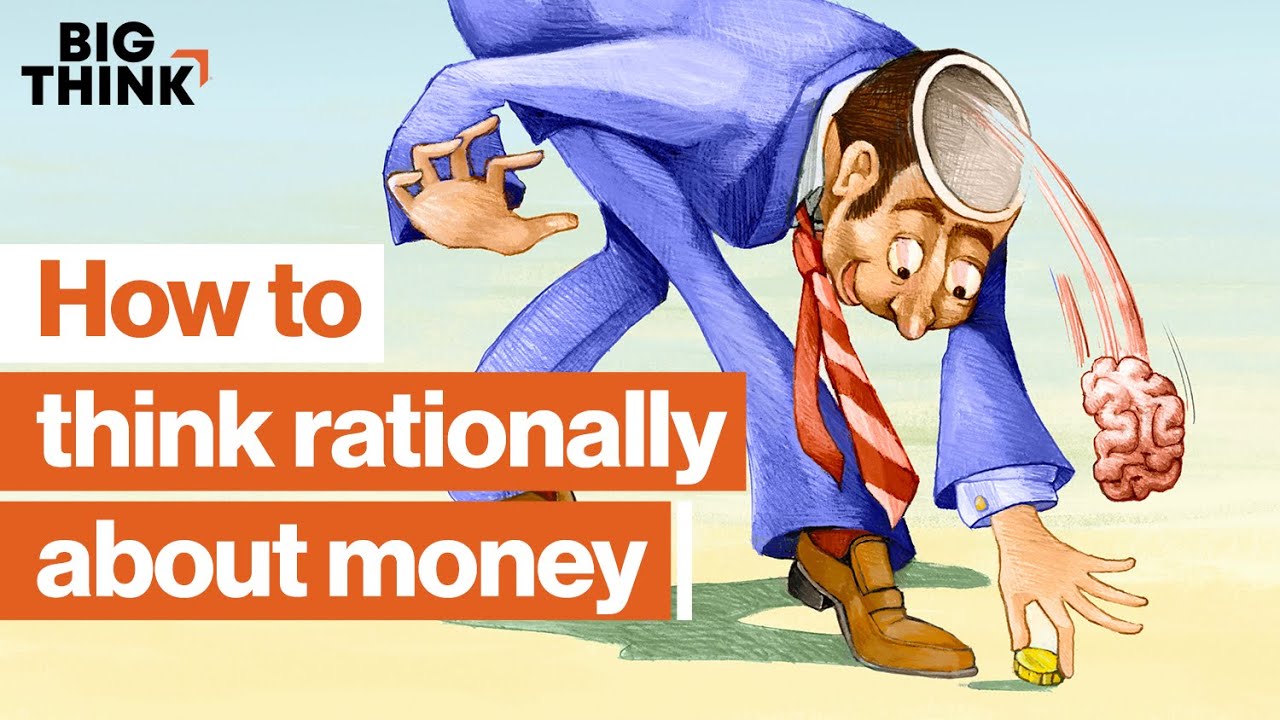
A few years back, in a room packed with people from wildly different financial backgrounds, a simple question left everyone uneasy: ‘How do you feel about your relationship with money?’ It didn’t matter if they were millionaires or burdened with student debt—fear was the common thread. Odd, isn’t it? In a culture obsessed with more, money has become something we all worry about. But it doesn’t have to be that way. In this post, we’ll dive into why money spooks us, how consumer culture amplifies our anxieties, and what happens if we start treating our finances—and ourselves—a bit differently.
Fear and Folly: Why Money Makes Us Nervous (Even When We Have Enough)
Money. Just the word can make hearts race and palms sweat. But why?
In 2016, financial expert Vicki Robin led a workshop exploring people’s relationships with money. The results were eye-opening. In a room of 50 people, Robin discovered something startling: everyone was afraid of money. Everyone.
The Great Money Equalizer
The session revealed an uncomfortable truth. From the 80-year-old millionaire to the 20-year-old student drowning in $20,000 of debt, financial anxiety was universal. Age, background, and bank balance made no difference.
What struck Robin wasn’t just the prevalence of the fear, but its implications. As she passionately noted,
“It infuriated me—what kind of society requires that everybody participate in something that terrifies them?”
This question cuts to the heart of our collective relationship with money.
Beyond Numbers: The Symbolic Power of Money
Our anxiety isn’t simply about having enough dollars and cents. It’s about what money represents in our lives:
- Status and self-worth
- Security and freedom
- Power and control
When we fear money, we’re actually fearing what happens to our identity and safety without it. The millionaire worries about losing everything; the student fears never escaping debt. Different circumstances, same emotion.
A System That Breeds Fear
Perhaps most troubling is how our economic system forces universal participation while providing little emotional support. We’re all players in a game that many find terrifying.
Cultural pressures compound this problem. Consumerism pushes us to spend more, while financial literacy remains spotty at best. We’re expected to navigate complex financial waters with minimal training.
The revelation from Robin’s workshop raises profound questions: Is this anxiety inevitable? Or is it the product of a system that could be redesigned to create healthier relationships with money?
As we rethink our personal finances, perhaps we should also reconsider the societal structures that make money such a source of universal dread.
Escaping the Consumer Culture Trap: Four Layers of Financial Independence
We’re all swimming in a sea of “more, more, more” messaging. But is that really freedom? According to financial philosopher Vicki Robin, probably not.
Financial independence isn’t the same as financial freedom. One’s external; the other starts in your mind.
The Four-Layer Journey to Financial Liberation
Robin outlines a path that begins not with dollars, but with mindset:
- Sovereignty over your mindset – This means recognizing that the economy doesn’t run your life. You do. As Robin puts it, “Financial freedom is understanding that I’m me and there’s an economy out there and I have a relationship with it but it doesn’t run my life.”
- Escaping debt – Debt can feel endless, but it’s surmountable. The first step? Stop going deeper into it. Robin shares that many people have “flattened their impossible debt in a couple of years” once they realized how it limited their future opportunities.
- Building an emergency fund – Six months of living expenses in liquid assets creates a buffer against life’s surprises. This fund helps you “get out of the zone of precariousness” and prevents sliding back into debt when something goes wrong.
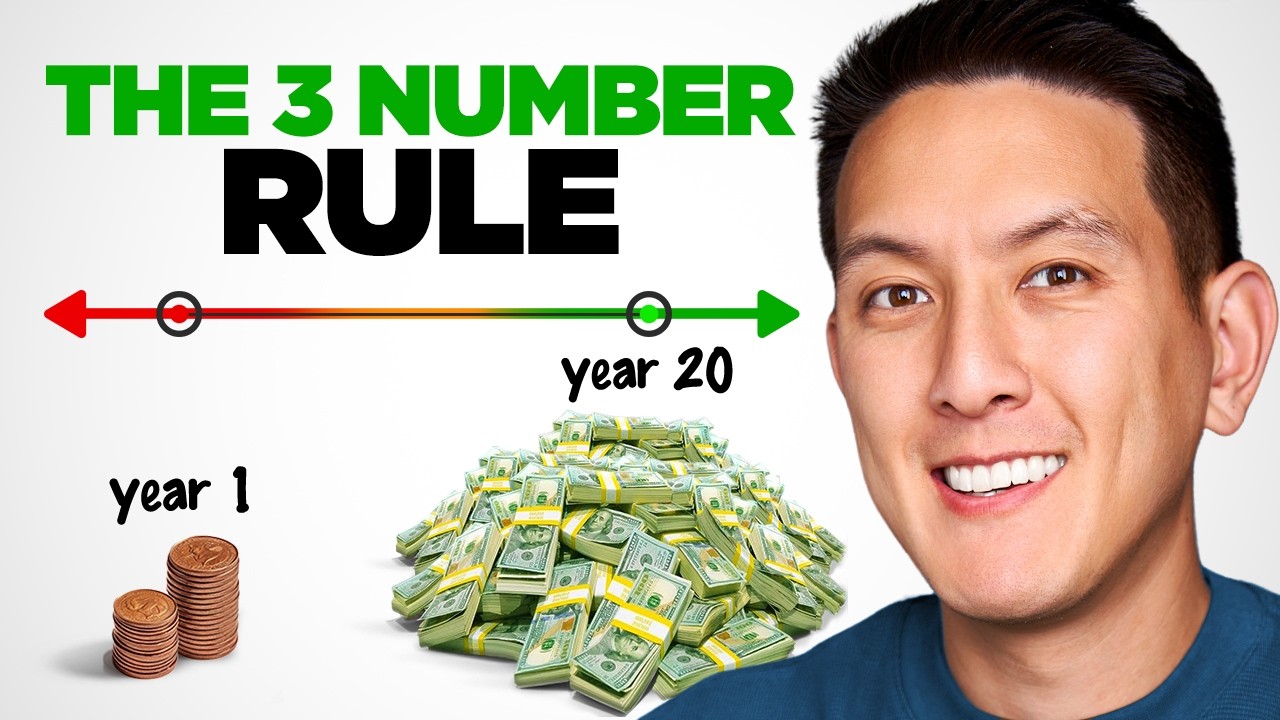
- Creating income from investments – Over time, your surplus savings can be invested to generate passive income.
“If you are engaged in that sort of anxious process of more, more, more, you are not free.” — Vicki Robin
Freedom Begins in the Mind
Robin challenges our relationship with possessions and earnings. A “starter home” doesn’t have to be temporary if you’re happy there. The consumer culture narrative pushes us toward “waste slavery and debt” regardless of our income level.
True financial sovereignty means saying, “I am sovereign. The economy is secondary.” It’s about moving your sovereign self into the economy for your own purposes—not letting yourself be run by your boss, the tax system, or societal expectations.
Tracking your spending (Robin suggests using a debit card so your bank keeps records) helps you see where your “life energy” goes. This awareness is the first step toward breaking free from consumer culture’s grip.
Maybe the greatest myth? That more money equals more happiness. Financial independence isn’t about endless wealth accumulation—it’s about reclaiming your autonomy from economic pressures.
What Really Buys Happiness: Experiences, Giving, and (Sometimes) Less
Money can buy happiness… but only if you spend it right. Surprised? I was too.
The relationship between cash and contentment isn’t as straightforward as “more money equals more joy.” In fact, research has revealed something rather shocking about our spending habits.
The Stuff Problem
Here’s the truth: buying things for yourself doesn’t make you happier. Period.
As psychologist Michael Norton explains:
“The biggest problem from our standpoint as psychologists is the percent of money that you spend on stuff for yourself is completely uncorrelated with how happy you are with your life.”
It’s not that buying stuff makes you miserable. The relationship is just… flat. No matter how many gadgets, clothes, or trinkets you accumulate, your happiness meter barely budges.
What Actually Works?
- Experiences over possessions – Concerts, travel, learning new skills
- Giving to others – Supporting causes or people you care about
- Becoming conscious – Simply paying attention to spending habits
The Unconscious Spending Tax
Ready for a startling statistic? When people start paying attention to their spending, consumption naturally drops by 20-25%.
Why? Because that’s roughly how much we spend unconsciously!
Many people report not even remembering what they used to spend money on. They just notice: “Surprise! I’m spending less. Don’t know how that happened.”
Finding Your “Enough” Zone
There’s a sweet spot I like to call the Goldilocks zone of consumption – not too much, not too little. Just right.
“Enough” isn’t about deprivation. It’s about fullness without excess. It’s personal, vibrant, and liberating.
When we stop trying to fill our emotional needs with purchases, we can ask more meaningful questions:
Who am I? What do I care about? What do I want in what poet Mary Oliver calls “my one wild and precious life”?
Perhaps the path to happiness isn’t paved with possessions but with purpose, connection, and conscious choices about how we use our resources.
Raising Money-Savvy Kids: Hard Truths, Honest Mistakes
Would you believe that 80% of teenagers arrive at college having never had a real conversation with their parents about money? It’s shocking but true. Whether you’re wealthy or just getting by, this statistic crosses all economic boundaries.
Financial literacy isn’t something kids absorb through osmosis. They need guidance.
The Wealthy Make Even More Mistakes
Interestingly, Bruce Feiler discovered that even the wealthiest families struggle with this. When he consulted Warren Buffett’s bankers—who advise America’s richest families—he found these families often make even more financial parenting errors.
One banker shared a powerful perspective from his conversation with America’s richest woman. She worried about “burdening” her children with knowledge about their wealth. His response?
“It’s much more of a burden to burden them with ignorance than to burden them with the truth.”
Three Essential Lessons for Raising Money-Savvy Kids
- Show them the money: Age-appropriate financial transparency builds confidence and competence. Children need to understand where money comes from and how it works.
- Separate chores from allowance: When you tie allowance directly to chores, kids learn to help only when money is involved. Feiler recommends giving allowance as part of family membership while expecting chores as part of family responsibility.
- Let them make mistakes: This might be the hardest pill for parents to swallow. We want to protect our children, but financial mistakes are powerful teachers.
As Buffett’s banker wisely noted: “It’s much better to make a mistake with a six dollar allowance than a $60,000 a year salary or a $6 million inheritance.”
Early financial fumbles—when the stakes are low—create resilient, money-smart adults. A child who blows their allowance on candy learns more from that experience than from a lecture on savings.
Financial transparency, clear boundaries, and allowing for small failures aren’t just strategies for wealthy families. They’re essential tools for any parent hoping to raise financially literate children who won’t be overwhelmed when they eventually face adult-sized money decisions.
The New Roadmap: Finding ‘Enough’ in a Culture of Excess
We’ve been sold a dangerous story: more is always better. This old paradigm fuels our economy but depletes our souls. Markets expand by convincing us we need more than we actually do.
Breaking Free from the “More is Better” Trap
According to financial philosopher Vicki Robin, the traditional capitalist roadmap is simple yet destructive:
- Old paradigm: Growth is good, more is better, game over.
- Market expansion: Companies either export goods or create artificial desires among citizens.
- Psychological trap: We become infinite markets of consumption, always wanting more.
But what if there’s another way?
Discovering Your “Enough” Point
Robin challenges us to find our personal “enough” point. It’s not a ceiling or limitation. It’s liberating.
“Enough is…having everything you want and need to have a life you love and full self-expression, with nothing in excess.” — Vicki Robin
This isn’t about deprivation. Sometimes more really is more! But often, it’s not.
Your “enough” exists at that perfect Goldilocks balance:
- Not too little (causing stress and limitation)
- Not too much (creating clutter and distraction)
- Just right (supporting your values and purpose)
A Personalized Approach to Sufficiency
What makes this approach revolutionary? It’s completely individualized. Your “enough” point is unique to you and might change with circumstances.
The key is awareness. By becoming conscious of how money and possessions actually impact your happiness, you gain power over the consumer culture that profits from your discontent.
This isn’t minimalism. It’s not excess either. It’s that sweet spot where you have everything necessary for full self-expression, without the baggage that comes with having too much.
In a world constantly screaming “more,” finding your personal “enough” might be the most radical act of freedom available. It transforms sufficiency from a limitation into something uniquely empowering and joyful.
TL;DR: No matter what’s in your bank account, money anxiety is universal—but breaking the cycle is possible by shifting our mindsets, understanding what truly brings happiness, and guiding the next generation with honesty about finances.